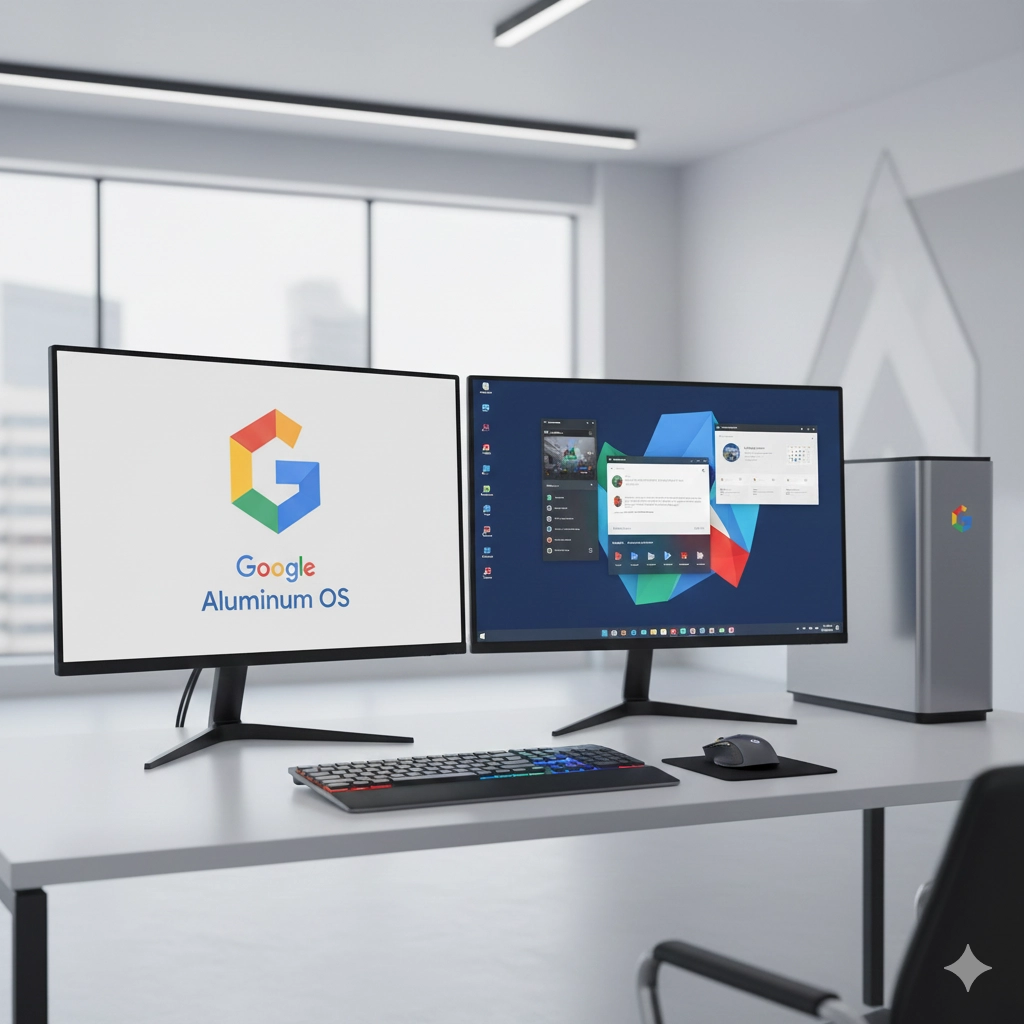
What is Google's Aluminium OS?
Google's Aluminium OS is an ambitious project that aims to bring the Android operating system to traditional PC platforms, including desktops and laptops. This represents a significant shift in Google's strategy, as it seeks to expand Android beyond mobile devices and tablets into the desktop computing space, potentially challenging Windows, macOS, and Linux dominance.
The project is still in early development, but early information suggests that Aluminium OS will provide a full desktop Android experience, optimized for keyboard and mouse input, larger displays, and desktop computing workflows. This could offer PC users a lightweight, app-rich alternative to traditional desktop operating systems.
Key Objectives
Aluminium OS aims to bridge the gap between mobile and desktop computing, bringing Android's extensive app ecosystem to PC users. The project focuses on providing a seamless experience that leverages Android's strengths while adapting to desktop computing needs, including better multitasking, window management, and productivity features.
Features and Capabilities
While specific details about Aluminium OS are still emerging, the project is expected to include several key features designed to make Android work effectively on PC platforms:
Expected Features
Desktop Interface
- Window management
- Multi-window support
- Taskbar integration
- Desktop widgets
Android App Support
- Full Play Store access
- App compatibility
- Tablet app optimization
- Desktop app scaling
Input Methods
- Keyboard & mouse support
- Touch screen compatibility
- Trackpad gestures
- Shortcut keys
System Features
- File management
- Multi-user support
- Hardware acceleration
- Power management
Hardware Compatibility and Requirements
Aluminium OS is expected to support a wide range of PC hardware, from budget laptops to high-end desktops. The system requirements are likely to be modest, given Android's efficient resource usage compared to traditional desktop operating systems. This could make it an attractive option for older hardware or budget-conscious users.
Early indications suggest that Aluminium OS will support both x86 and ARM architectures, providing flexibility for different PC configurations. The system may also include support for various graphics drivers, network adapters, and other PC-specific hardware components.
Potential Impact on PC Market
The introduction of Aluminium OS could have significant implications for the PC market. By bringing Android to desktop platforms, Google could create a new category of devices that combine the app ecosystem of mobile with the productivity of desktop computing.
This could appeal to users who are already familiar with Android on mobile devices, offering a consistent experience across platforms. It might also attract users looking for a lightweight, app-focused alternative to Windows or macOS, particularly for specific use cases like education, content consumption, or basic productivity tasks.
Market Position
Aluminium OS could position itself as a middle ground between traditional desktop operating systems and mobile platforms, potentially capturing users who want the flexibility of Android apps with the form factor and capabilities of a PC. However, it will face significant challenges competing with established desktop operating systems that have decades of software compatibility and user familiarity.
Frequently Asked Questions
What is Google's Aluminium OS?
Google's Aluminium OS is a project that brings the Android operating system to PC platforms, including desktops and laptops. It aims to provide a full desktop Android experience optimized for keyboard, mouse, and larger displays.
When will Aluminium OS be available?
Aluminium OS is still in early development, and Google has not announced a specific release date. The project is currently in the research and development phase, with more information expected to be released as development progresses.
Will Aluminium OS run all Android apps?
Aluminium OS is expected to support Android apps through the Google Play Store, though some apps may need optimization for desktop use. Apps designed for tablets are likely to work better than phone-only apps, and Google may provide tools for developers to optimize their apps for desktop.
What hardware will Aluminium OS support?
Aluminium OS is expected to support a wide range of PC hardware, including both x86 and ARM architectures. System requirements are likely to be modest, making it suitable for budget and older hardware, though specific requirements haven't been announced yet.
How is Aluminium OS different from Chrome OS?
While Chrome OS is based on Linux and focuses on web applications, Aluminium OS is based on Android and provides direct access to Android apps through the Play Store. Aluminium OS offers a more app-centric experience compared to Chrome OS's web-first approach.
Can I install Aluminium OS on my existing PC?
Details about installation and hardware compatibility haven't been released yet. Once Aluminium OS is available, it may be installable on compatible hardware, similar to how Linux distributions can be installed. However, specific installation requirements and procedures will be announced closer to release.