AI Powered SEO in 2025 Guide to Modern Search Optimization
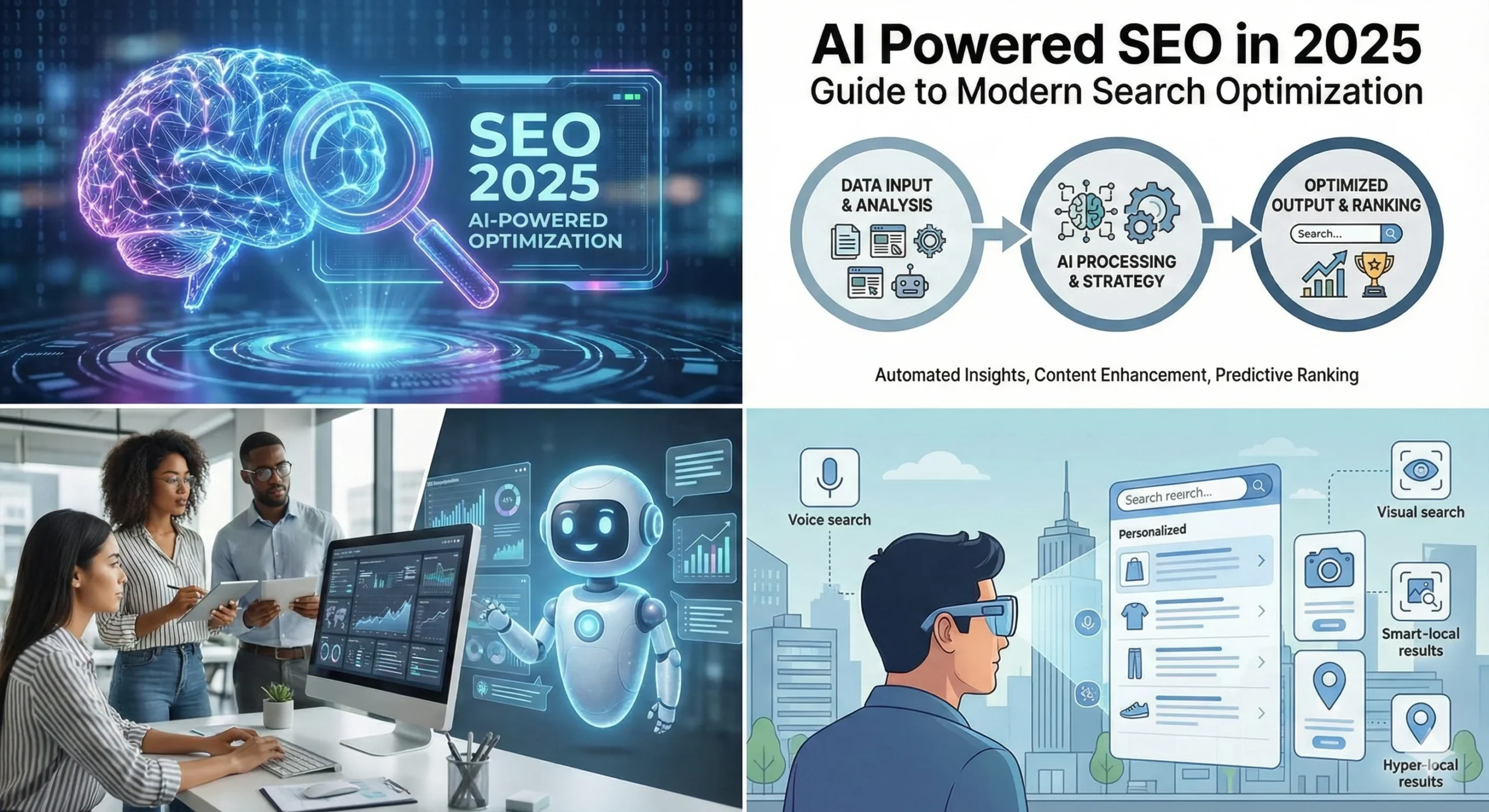
Search is changing fast, and so is how we optimize content. In this guide, you will learn the core basics of AI powered SEO in 2025, how search engines now understand pages, and what to do on your site today. We will walk step by step from foundations to tools, workflows, and simple action plans you can start using this week.
How Search Optimization Works In 2025
Search engines now read pages more like people, not just by counting keywords. They use machine learning models to understand meaning, intent, and quality. Google calls this a shift toward helpful content that serves real users.
In 2025, strong SEO focuses on three pillars. These are search intent match, content depth, and user experience. Technical setup still matters, but it supports these core pillars.
Google, Microsoft Bing, and other engines also show AI style summaries. They pull key facts and answers from trusted pages. That means your content must be accurate, well sourced, and easy to quote.
To work with this new search model, you need a clear view of how people search in your niche. You also need clean site structure and a plan to show expertise and trust across your pages.
Understanding AI Driven Search Features
In many regions, Google Search can show AI Overviews above normal results. These overviews gather facts and steps from top sources and display short answers. Other engines offer similar answer cards and chat style search.
These features change how users interact with results. Many people now skim the overview, then click only when they want detail or proof. That means your content should support both quick answers and deep reading.
Google states in its Search Central documentation that high quality, people first pages remain the core ranking factor. The AI layer simply reuses signals that already matter. This includes relevance, authority, and helpful formatting.
So your goal is not to game the AI box. Your goal is to build pages that summarize key insights clearly, back them with evidence, and structure them so the system can extract them cleanly.
Modern Search Intent And User Journeys
Search intent now looks less like single keywords and more like layered journeys. A person might start broad, refine their question, then compare choices, then seek local or transactional results.
For example, someone new to content optimization might search for basic definitions. Later, they search for tools, checklists, and real case studies. If your site only covers one stage, you lose many chances to help and earn trust.
To map these journeys, group queries into four buckets. These are informational, navigational, transactional, and local. Then break each bucket into beginner, intermediate, and advanced needs.
When your content matches each stage, users stay longer, visit more pages, and show stronger engagement signals. These are positive signs for modern ranking systems that watch click behavior and dwell time.
Semantic Keywords And Topical Maps
Classic SEO often chased one main keyword per page. In 2025, that method feels outdated. Search engines use semantic analysis to grasp topics, entities, and relationships between them.
This means your content should cover a subject from several relevant angles. For example, a guide on search basics can mention metadata, structured data, search console, and site performance in natural context.
To plan this, build a topical map. List your main subject. Under it, add key subtopics, questions, and related entities. You can source ideas from Google Search Console, People Also Ask boxes, and tools like AnswerThePublic.
Then group related ideas into clusters. Each cluster supports a core pillar page, sometimes called a hub. These hubs should link to each other and to more narrow articles. This structure helps search engines understand your authority around a theme.
On Page Optimization For AI Era Ranking
Your page layout now matters as much as your word choices. Clear sections, simple headings, and concise summaries help both users and algorithms understand your message quickly.
Start with a strong title tag that reflects real search language. Keep it under about 60 characters for best display. Then write a compelling meta description that previews your answer while staying under about 155 characters.
Within the content, use short paragraphs and descriptive subheadings. Place direct answers near the start of each section. This layout matches the way AI systems pull featured snippets and overview text.
Include internal links to deeper guides using natural anchor text. This supports context and helps crawlers find your best resources. Use descriptive alt text for images so visual content adds to topic understanding.
Structured Data And Rich Result Eligibility
Structured data gives search engines clear labels for your content. It uses schema markup to describe things like articles, products, how to guides, and local businesses.
Google and Schema.org provide public documentation on supported types. When you add markup correctly, your pages may qualify for rich results, such as how to steps, FAQs, and review snippets.
These enhanced displays can feed into AI driven summaries and answer panels. Well marked content is easier to parse and more likely to be trusted as a source.
Prioritize structured data for your highest value pages. For example, use Article markup on in depth guides and Product markup on ecommerce listings. Always test with tools like the Rich Results Test to avoid errors.
E E A T Signals And Content Credibility
Experience, expertise, authority, and trust are now central ranking themes. Google public quality rater guidelines highlight these factors for sensitive topics like health, finance, and safety.
To show real experience, share first hand examples and lessons learned. Describe specific results, dates, and methods. Avoid vague claims that lack detail. This helps readers see that a real person stands behind the advice.
To show expertise, reference respected sources like Google Search Central, Moz, Search Engine Journal, or major universities. Explain complex ideas in your own words, then link to the original for deeper study.
To show authority, build a clear author profile. Include background, years in the field, key certifications, and notable work. Make sure your about page and contact details are easy to find and up to date.
To build trust, be honest about limits. Note when data might be outdated, or when readers should talk with a professional, such as an accountant or attorney, before acting.
Technical Foundations That Support Modern SEO
Even with smart content, weak technical structure can hold back search performance. Crawlers still need fast, accessible, and stable pages to index content well.
Core Web Vitals remain an important set of quality signals. These metrics track loading speed, visual stability, and interaction delays. Google provides PageSpeed Insights and Lighthouse to measure and improve them.
Make sure your site uses HTTPS, returns clean status codes, and avoids broken links. A well built XML sitemap and robots file guide crawlers to important pages and away from low value sections.
Mobile usability is now baseline. Most search traffic comes from phones. Use responsive design, readable fonts, and tap friendly buttons so users can move around easily.
Content Workflows Enhanced By Smart Tools
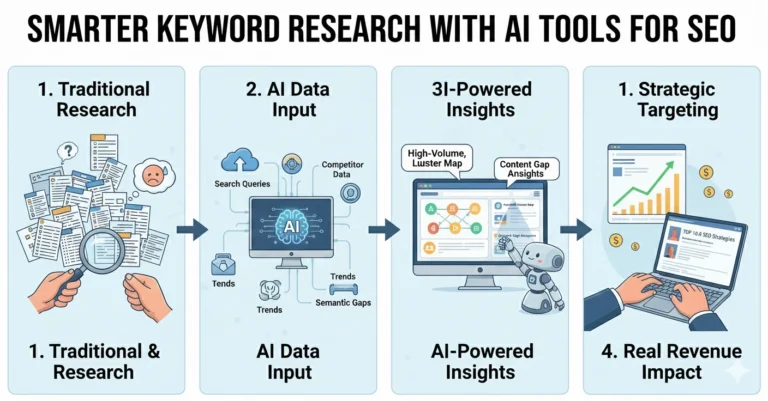
Software tools can help you research topics, outline drafts, and find patterns in user behavior. They can also surface gaps in your coverage compared with top ranking pages.
Use keyword research platforms to see which questions people ask most often. Tools from providers like Semrush, Ahrefs, and Google Keyword Planner can show volumes and related terms.
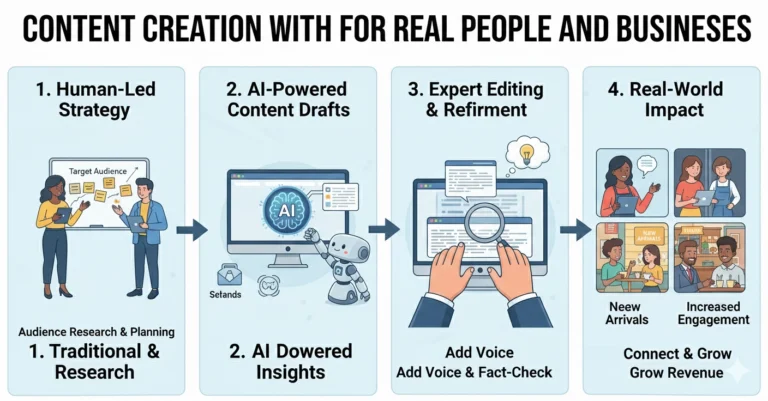
For content planning, build briefs that list user intent, key subtopics, and helpful references. Share these with writers so each piece targets a clear outcome. Review finished drafts against the brief to avoid drift.
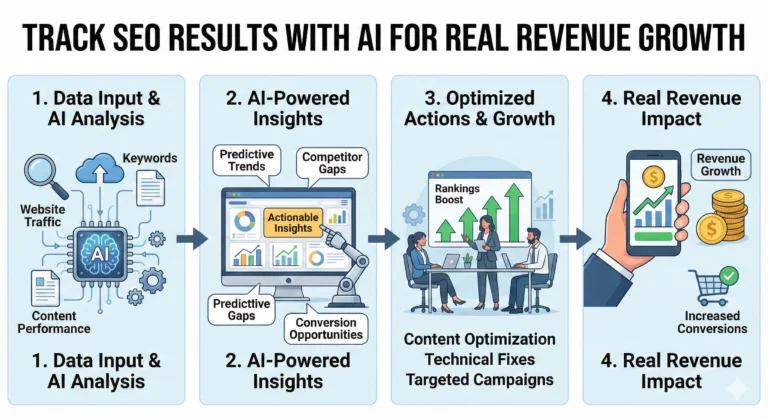
Analytics tools like Google Analytics and Google Search Console show how users engage with published content. Watch metrics like click through rate, bounce rate, and average time on page. Then refine sections that underperform.
Creating Helpful Content That Feels Local And Human
Readers respond best to content that sounds like it comes from someone in their community. Even if you serve a broad market, you can still speak in a grounded, local tone.
Use familiar examples from your region. Mention seasons, events, and common challenges your neighbors face online. This makes your advice feel practical instead of generic.
Write in simple language and short sentences. Avoid complex jargon unless your audience expects it. When you must use a technical term, explain it in plain words.
Stories also help. Share quick case snapshots about a local shop that improved online visibility, or a small site that fixed slow pages and saw better leads. These stories stick better than abstract rules.
Answering Questions For Answer Engines
Modern search behaves more like a question and answer system than a list of blue links. People type full questions or speak them into phones and smart speakers.
This means your pages should clearly answer specific questions in simple language. A good pattern is to restate the question, give a one sentence answer, then expand with detail.
FAQ sections work very well here. Use them to cover common short questions related to the main topic on a page. Each answer should stand alone and still make sense out of context.
When your answers are direct and grounded, answer engines can lift them into snippets or summaries. This can drive visibility even when you are not ranked first by link position.
Measurement, Testing, And Continuous Improvement
Strong SEO in 2025 is not a one time project. Your audience shifts, competitors adapt, and search systems update. You need an ongoing loop of measurement and testing.
At least once a month, check your top landing pages. Look at impressions, clicks, and average positions in Google Search Console. Note which queries show growth or decline.
Run simple experiments. Update headlines, tighten introductions, or add examples. Change only a few elements at a time so you can see clear results. Track changes for four to six weeks before drawing conclusions.
Over time, patterns emerge. You learn which formats, tones, and structures resonate most with your visitors. This lived data becomes more valuable than any static keyword list.
Building A Future Ready SEO Strategy
Looking ahead, search will keep moving toward deeper understanding of language, context, and user satisfaction. The sites that win will focus on helpful service, not tricks.
Plan your strategy around enduring principles. These include clear topic focus, strong internal linking, clean technical health, and transparent sourcing. Layer new tools on top of these, not instead of them.
As new search features launch, adapt by improving clarity and structure, not by chasing loopholes. This mindset protects you from sharp ranking swings and sudden rule changes.
Stay informed through trusted sources like Google Search Central Blog, the Search Off The Record podcast, and long standing industry publications. Yet always test ideas on your own site, in your own market.
Conclusion
Search in 2025 rewards content that is clear, honest, and truly helpful. You have seen how modern systems read pages, why semantic topics and structured data matter, and how E E A T supports trust. Focus on useful workflows, simple language, and steady testing. If you build for real people first and refine with data, your visibility and leads will follow.