AMD Zen 6 “Medusa” The Next Leap in AI-Powered Gaming and Computing (2027 Preview)
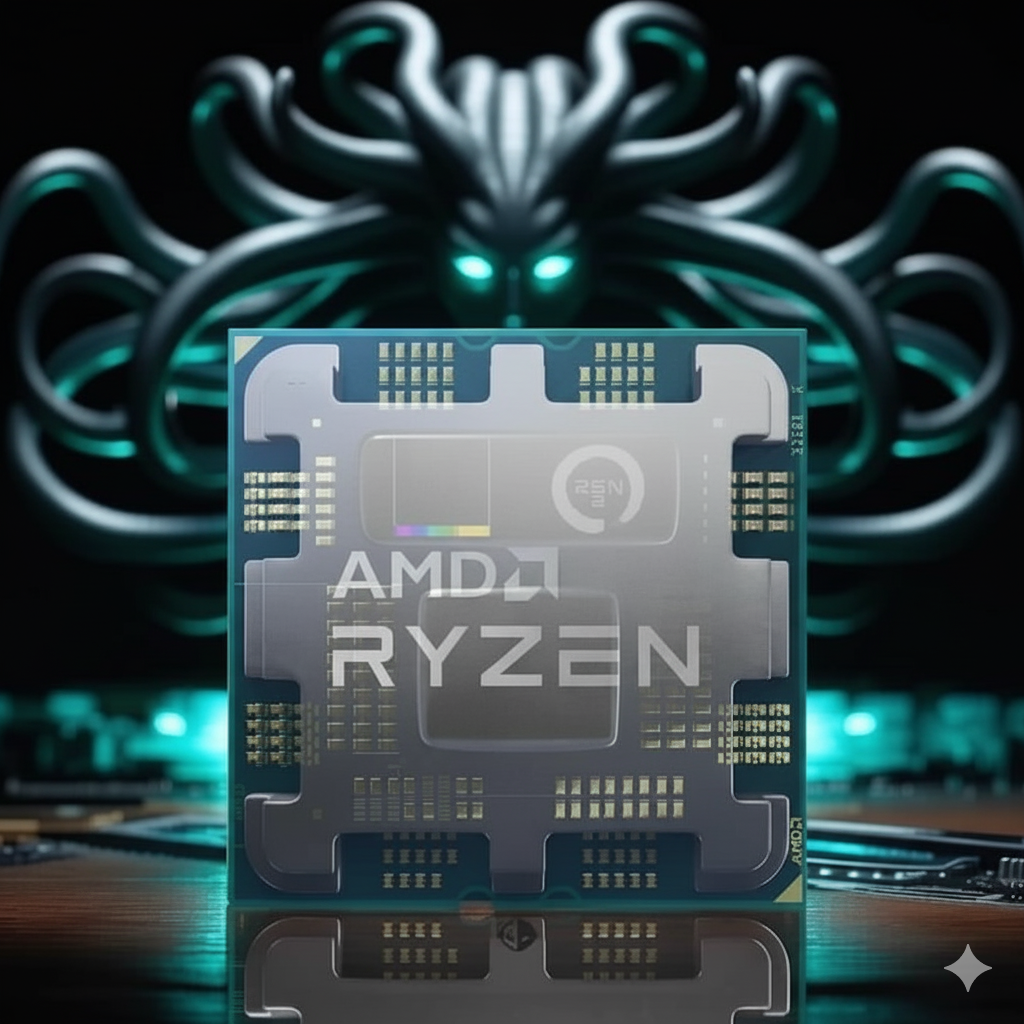
The tech landscape never stands still, and once again, AMD is set to push the boundaries of modern computing. Following the tremendous success of its Zen 5 lineup, the company is preparing a monumental upgrade with Zen 6 “Medusa” CPUs—a new era of high-efficiency, AI-optimized processing designed for next-generation gaming and advanced workloads.
This upcoming platform represents more than just another CPU refresh; it’s a blueprint for how artificial intelligence, memory bandwidth, and chip architecture will converge by 2027 to redefine what performance means for gamers, creators, and data professionals alike.
The Evolution: From Zen 1 to Zen 6
AMD’s journey from the first Ryzen processors to the incoming Zen 6 architecture is a story of consistent innovation. Each generation brought significant performance-per-watt gains and smarter utilization of silicon efficiency. Zen 6, however, represents an entirely new chapter — one where AI, machine learning inference, and hybrid chip design become integral to everyday computing.
The Zen 6 “Medusa” family is expected to combine smaller process nodes, likely based on 3nm or below, with a refined multi-chip module (MCM) design that merges traditional compute cores and specialized AI units. This architectural shift could mark AMD’s transition into AI-centric CPU architecture, not just for data centers but also for gaming PCs and consumer desktops.
What Makes “Medusa” Different?
Unlike conventional CPUs, Zen 6 focuses on smart workload management. Each chiplet within the architecture can dynamically adjust its performance, energy usage, and instruction pipeline based on the type of computation being performed. For example:
- Gaming tasks activate high-frequency cores and improved cache response.
- AI and rendering workloads engage specialized accelerators optimized for neural computations.
- Background or idle tasks shift to low-power states, extending efficiency dramatically.
This hybrid approach enables unprecedented balance between raw speed and intelligent adaptability — something essential in an age where AI algorithms and ray tracing coexist in real-time applications.
AI at the Core: Intelligent Processing for the Next Era
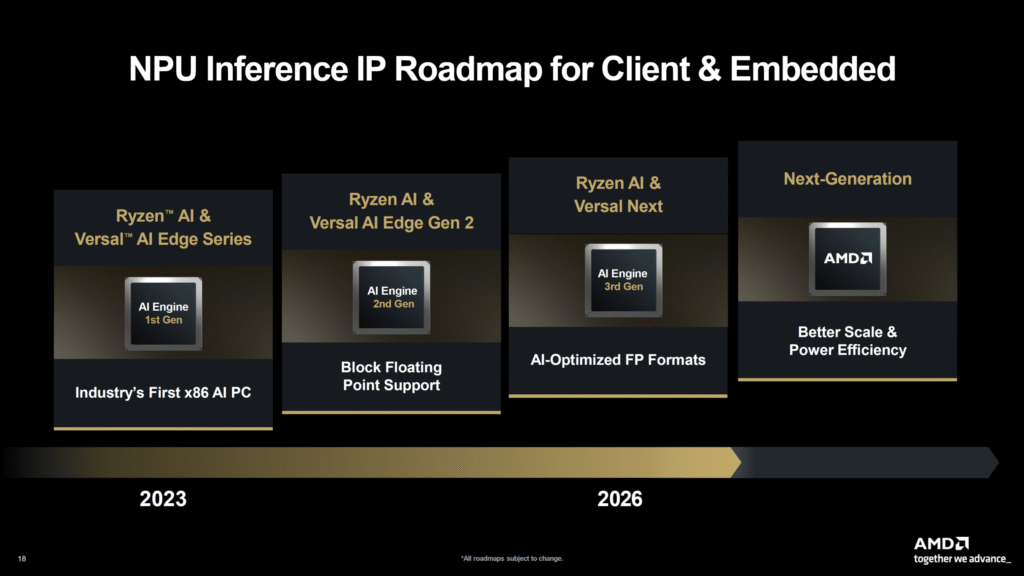
Artificial intelligence is no longer confined to servers or research clusters. With Zen 6, AMD integrates AI-driven processing layers directly within the CPU fabric. These AI engines can perform tasks like frame interpolation, texture upscaling, or predictive task scheduling — operations that used to rely solely on the GPU.
Imagine playing a game where your CPU dynamically predicts rendering needs or compresses assets on-the-fly for smoother gameplay. Zen 6 processors could act as an AI co-processor, not just managing instructions but also optimizing visual and system performance in real-time.
AMD’s move aligns perfectly with the global shift toward AI-ready PCs, where machine learning acceleration is built into both the CPU and GPU.
GPU Synergy: A New Generation of Graphics Power
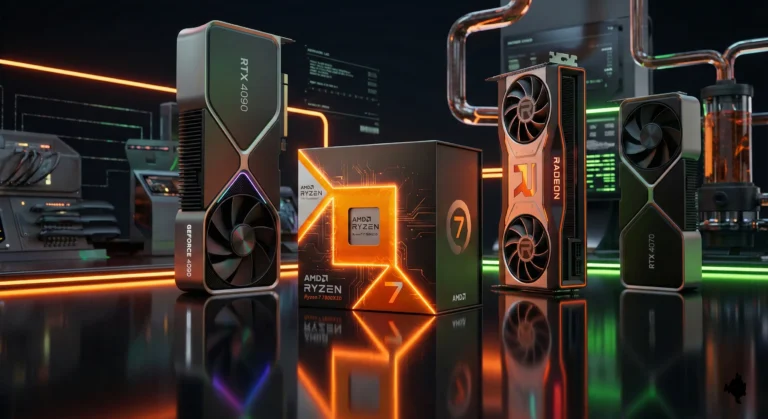
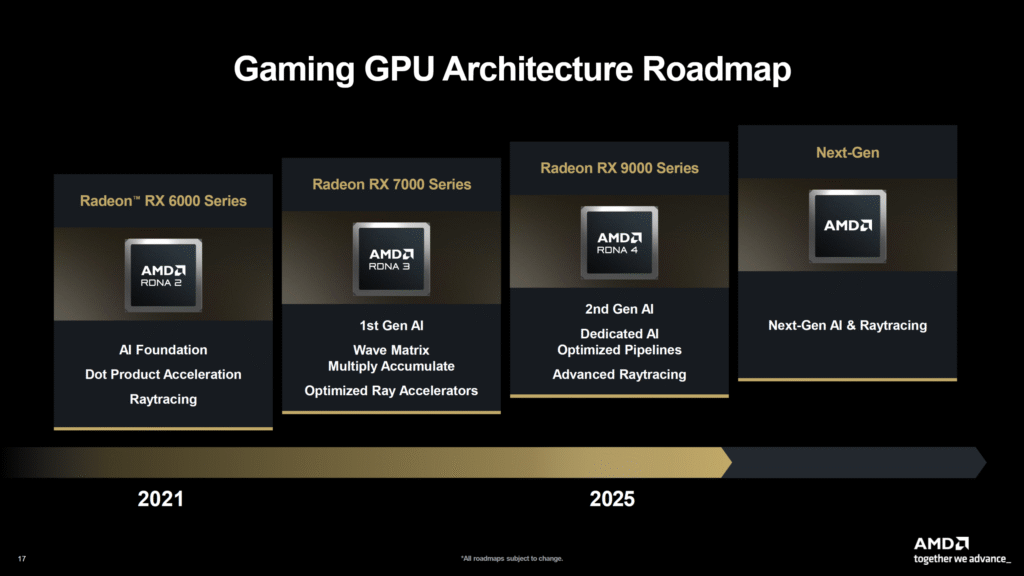
Zen 6 won’t arrive alone. AMD’s next-gen gaming GPUs—expected to feature a major upgrade in AI and ray tracing capabilities—will debut alongside it. While AMD’s RDNA 3 and RDNA 4 series improved energy efficiency and ray tracing fidelity, the new architecture is rumored to introduce AI-powered rendering pipelines that rival or surpass current industry standards.
These GPUs may leverage AI denoising, super-sampling, and real-time object detection, enabling games to render richer environments with reduced computational load.
Combined with Zen 6, the new GPU lineup will likely form the backbone of AI-accelerated gaming ecosystems, offering seamless collaboration between CPU and GPU through an updated Infinity Fabric interconnect.
Gaming in 2027: What to Expect
By 2027, the gaming experience will look dramatically different. Realistic physics, global illumination, and cinematic rendering will become the baseline—not the exception. With the Zen 6 platform, AMD’s vision appears focused on three pillars of next-gen gaming performance:
1. AI-Enhanced Realism
Machine learning models trained on vast datasets will enable lifelike textures, procedural environments, and intelligent NPC behavior. These enhancements will be executed efficiently by Medusa’s AI cores without offloading all processing to the GPU.
2. Advanced Ray Tracing
Ray tracing has always been the holy grail of realistic lighting. The next-gen AMD GPUs will refine this even further with hardware-accelerated AI ray tracing, making reflections and shadows indistinguishable from real life.
3. Adaptive Optimization
Through predictive load balancing, Zen 6 CPUs can adjust frequencies and power draw dynamically to maintain smooth frame rates, lower latency, and stable temperatures — ensuring consistent high-FPS gaming even under heavy workloads.
A Deep Dive Into Architecture
AMD’s Zen 6 is expected to be modular and scalable, with multiple tiers targeting desktop, mobile, and workstation markets.
● Chiplet Design
Continuing AMD’s legacy of chiplet innovation, Zen 6 integrates compute and memory clusters linked through a high-bandwidth interconnect. This design enables multiple dies to act as one cohesive processor, drastically reducing latency while maximizing performance scaling.
● Unified Cache System
The new cache structure, potentially dubbed “Infinity Cache 2.0,” will deliver even faster data access and smarter prefetching algorithms — crucial for AI and ray tracing operations.
● Memory & I/O Improvements
Zen 6 platforms may support DDR6 memory and PCIe 6.0 standards, providing ultra-fast connectivity for next-gen GPUs and NVMe storage solutions.
The AI-Driven Creator Workflow
Beyond gaming, Zen 6 CPUs will profoundly impact creators and professionals. Content creation, 3D rendering, and AI-assisted video editing will all benefit from on-chip neural accelerators that handle denoising, frame interpolation, and color correction.
For instance:
- Video editors could render 8K footage using fewer GPU cycles.
- AI voice synthesis and background separation could run natively on CPU cores.
- Data scientists could train compact ML models locally without cloud dependency.
This democratization of AI performance means that creative professionals will enjoy workstation-level power at consumer-grade pricing.
The Competitive Edge
As AI becomes a central pillar of modern computing, Zen 6 positions AMD to compete head-to-head with both Intel’s AI-driven Meteor Lake successors and Apple’s unified neural processors. But AMD’s open ecosystem remains a differentiator — supporting cross-platform AI frameworks and open software ecosystems that give developers flexibility and control.
This approach ensures long-term sustainability and community-driven innovation — values that have always defined AMD’s philosophy.
Energy Efficiency and Sustainability
A major highlight of the Zen 6 generation will be its eco-conscious design. Built on smaller process nodes, these chips promise significant power efficiency gains. For gamers, that means quieter systems and longer laptop battery life. For enterprises, it means reduced carbon footprints across data centers.
AI-assisted power regulation will further optimize performance per watt, helping AMD achieve its goal of energy-efficient high-performance computing (HPC).
The Road Ahead: 2027 and Beyond
The introduction of Zen 6 marks a transformative step in how computing hardware is designed and utilized. It bridges the gap between traditional scalar computing and intelligent adaptive processing, setting the stage for hybrid workloads that balance power, efficiency, and intelligence seamlessly.
As we move closer to 2027, expectations are sky-high. Zen 6 “Medusa” and its companion GPUs may well become the foundation for:
- AI-ready gaming desktops
- Autonomous content generation systems
- Next-gen simulation engines
- Edge AI devices with real-time inference capabilities
In short, AMD’s Zen 6 era isn’t just about faster CPUs — it’s about redefining intelligence in silicon.
Final Thoughts
The future of gaming and computing is rapidly converging with artificial intelligence. AMD’s Zen 6 “Medusa” platform embodies that evolution, delivering smarter, faster, and more adaptable performance across every workload.
Whether you’re a gamer chasing ultra-realistic visuals, a content creator pushing rendering limits, or a data professional building AI models locally — the Medusa generation is designed for you.
With its fusion of AI compute, advanced ray tracing, and unmatched efficiency, Zen 6 represents a bold new chapter in AMD’s journey — one that could redefine how we experience technology in the years to come.